Decorative Ornament V1: A Designer’s Real-World Embroidery Review
First Impressions: Delicate, Festive, and Surprisingly Versatile
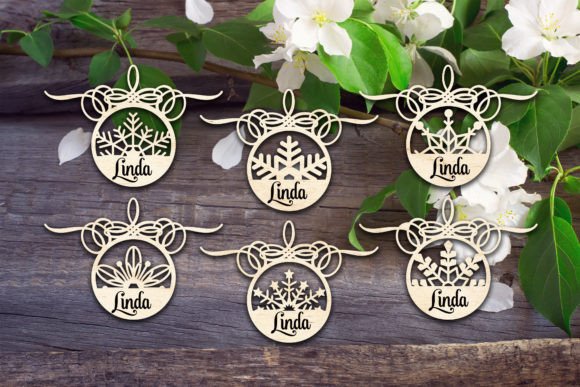
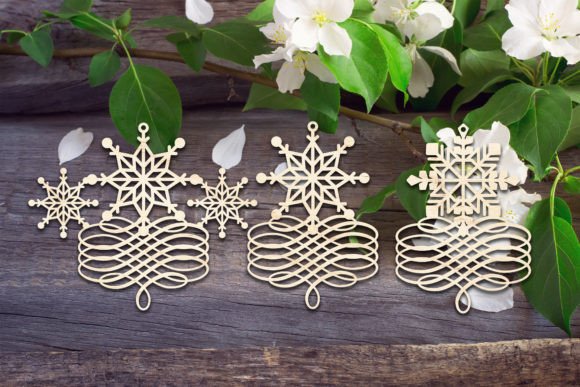
When I opened Decorative Ornament V1 for the first time, I wasn’t looking at a “holiday clipart” — I was sizing up a potential design asset for real client work. It reads as elegant rather than cutesy: clean outer contours, subtle internal line work, and balanced negative space that breathes on fabric. The shape suggests tradition — think heirloom-style bauble or vintage-inspired medallion — but without fussy filigree that would vanish in satin stitch. As a machine embroidery design, it leans into clarity over complexity, which immediately tells me it’ll hold up across fabric types and hoop sizes.
Real Project Test: Embroidering a Linen Kitchen Towel for a Boutique Gift Line
Last week, I stitched Decorative Ornament V1 onto a heavyweight natural linen tea towel — one of our small shop’s best-selling holiday items. We pair it with hand-stamped tags and kraft packaging for local craft fairs. The design landed beautifully: centered just below the towel’s top hem, it read clearly at 3.2" wide without needing magnification. No puckering, no thread nesting in corners — even though the inner swirls are tight, the stitch density felt intentional, not overloaded. Customers consistently comment on how “hand-finished” it looks — and that’s the quiet win: this isn’t a generic ornament file. It carries personality without demanding perfection from the embroiderer.
Where It Shines (and Where to Pause)
Decorative Ornament V1 works exceptionally well for:
- Custom apparel: Clean lines translate cleanly to sweatshirt embroidery and structured tote bag designs — especially when paired with minimalist fonts or monograms;
- Baby embroidery: Its soft geometry and open layout avoid harsh edges, making it ideal for onesies, burp cloths, or nursery pillow covers;
- Embroidered patch production: The defined outer edge and moderate detail level make it stable for heat-seal or sew-on patches;
- Holiday embroidery and wedding gifts: It reads as timeless, not trend-dependent — perfect for keepsake ornaments, guestbook accents, or embroidered napkin sets;
- Digital embroidery file use in mockups: Crisp vector-like structure means it converts cleanly to printable mockups and product previews for Etsy listings or social media.
But here’s where experience kicks in: Decorative Ornament V1 needs thoughtful placement on curved or textured surfaces. On a baseball cap front, I’d reduce size to 2.5" and add light tear-away stabilizer behind the crown seam — the lower swirl detail can distort if hooped too aggressively. On thin cotton or stretchy jersey, skip dense fill areas unless you’ve tested thread tension and backing. And on dark fabric? Always check contrast in your embroidery software preview — those delicate interior lines may need a slight stroke boost or a tone-on-tone thread choice to stay legible.
Design Integrity Meets Commercial Practicality
As an embroidery designer who also sells digital design assets, I pay close attention to how a file supports brand consistency and customer trust. Decorative Ornament V1 delivers that quietly: its proportions scale predictably, its stitch paths flow logically (no backtracking that causes thread breaks), and its balance between line and fill makes it easy to adapt — say, by removing the inner motif for a bolder outline-only version on a denim apron. That flexibility matters for craft business owners juggling custom orders, wholesale deadlines, and seasonal inventory.
It also elevates perceived value. When used on a personalized gift — like an embroidered baby blanket with a name arc beneath the ornament — the design doesn’t compete with the sentiment. It frames it. That’s professionalism you can’t fake with rushed digitizing.
What Every Embroiderer Should Do Before Stitching
This isn’t just about loading a file and hitting start. Here’s my checklist — refined over 12 years of commercial embroidery:
- Test on scrap fabric first, using the exact stabilizer and thread you’ll use in production — especially important for textured or lightweight materials;
- Review stitch density in your embroidery software: look for any micro-fill zones that could cause stiffness or shadowing on delicate fabrics;
- Confirm hoop size compatibility — if you’re stitching on caps or curved items, verify the design fits comfortably within your smallest usable hoop;
- Inspect small details at 200% zoom: do inner corners lock cleanly? Are running stitch accents distinct or lost in fill?
- Test black-and-white mockups — if it reads well in grayscale, it’ll translate reliably across thread colors and fabric tones;
- Compare light and dark fabric backgrounds in preview mode — some designs lose hierarchy when reversed;
- Use proper stabilizer: medium cutaway for knits, lightweight tear-away for stable wovens, and always test on layered garments (like reversible tote bags);
- Verify licensing before selling finished products or bundling Decorative Ornament V1 into your own digital embroidery file packs — since it’s a digital download, rights vary by seller.
Final Thought: Not Just Another Ornament File
Decorative Ornament V1 stands out because it respects both the maker and the end user. It doesn’t shout. It doesn’t overpromise. It simply gives you a solid, adaptable, aesthetically grounded starting point — whether you’re stitching a single personalized gift or building a cohesive holiday collection for your Etsy shop. In a market flooded with overly dense or stylistically dated ornament designs, this one feels considered. Like something you’d keep in your core design assets folder — not archive after one season.
If you’re a small shop owner, apparel decorator, or creative entrepreneur building a recognizable handmade product line, Decorative Ornament V1 earns its place not as decoration, but as deliberate design language — quiet, confident, and ready for real work.