Negative Photo Frames Bundle SVG: A Designer's Review
There is something instantly nostalgic about the Negative Photo Frames Bundle SVG. The moment I opened the folder, I felt transported to a dimly lit darkroom, the smell of developer chemicals almost tangible. This is not just another set of decorative shapes. It carries a storytelling weight that few design bundles manage to achieve right out of the gate. As someone who has tested hundreds of embroidery designs on real fabric, under real deadlines, for real paying customers, I knew within minutes that this bundle had a specific kind of magic, and a specific set of practical considerations that every embroiderer needs to think through before hitting the start button on their machine.
First Impressions and the Mood It Creates
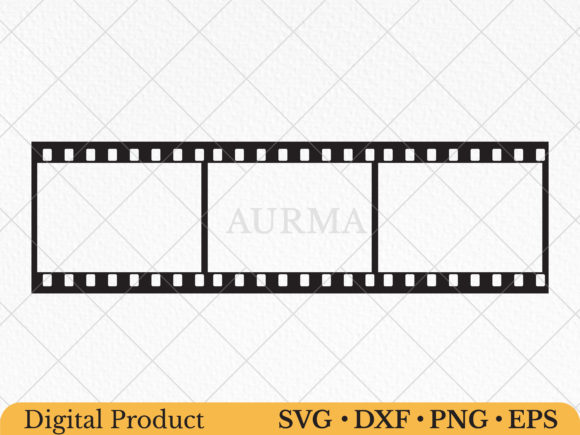
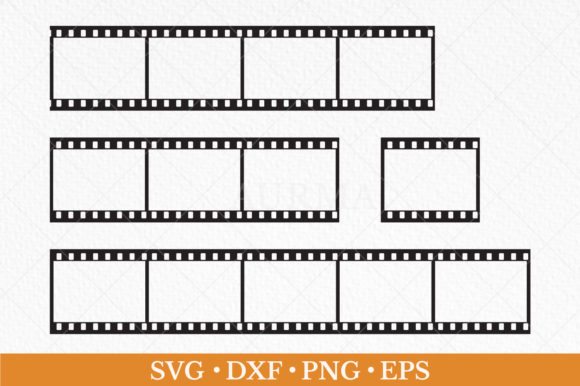
The bundle includes a camera film strip, a photo camera blank frame, a retro 35 mm negative camera filmstrip, a negative camera roll, a negative photo frame, and a cinema film strip. That is a lot of visual vocabulary wrapped into one zip file. The shapes feel pulled from a vintage photography archive. The sprocket holes on the film strip, the slightly rounded corners of the negative frames, and the sequential layout of the cinema strip all point toward a design language that is nostalgic, analog, and deeply personal. This is not a generic geometric bundle. It has a distinct personality, and that personality will transfer directly onto whatever product you stitch it onto.
When I first previewed the designs, I immediately thought about how they would read on a finished handmade product. The visual rhythm of the film strip, in particular, creates a natural horizontal movement that works beautifully on rectangular surfaces. The blank frames inside the negative strips invite customization. A name, a date, a tiny embroidered icon, or even a small satin stitch monogram could sit inside those empty windows and turn a decorative element into something deeply personal. That blank space is not a lack of design. It is an intentional opportunity.
Where This Design Naturally Belongs
I have been preparing a batch of custom embroidered tote bags for a local photography collective, and the Negative Photo Frames Bundle SVG arrived at exactly the right moment. The client wanted something that felt analog, creative, and understated. The camera film strip svg, placed horizontally across the front pocket of a natural canvas tote, immediately clicked. The sprocket holes stitched out in a dark charcoal thread against the unbleached cotton gave the bag a tactile, almost printed quality. The blank frames inside the strip became little windows where I added tiny embroidered initials for each member of the collective. The result felt less like a promotional product and more like a curated gift.
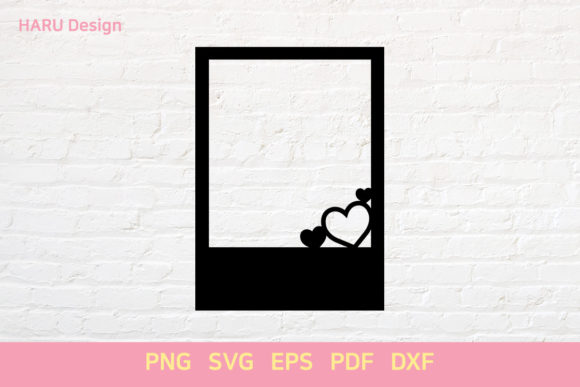
Beyond tote bags, I can see this bundle thriving on sweatshirts. A single negative photo frame svg stitched on the left chest of a crewneck, perhaps with a small embroidered heart or star inside the frame, feels intimate and stylish. On the back of a denim jacket, the cinema film strip running across the shoulder blades would create a striking visual line. For aprons, especially those used in creative studios or darkroom-themed kitchens, the film strip border along the hem adds a subtle thematic touch without overwhelming the garment. Pillow covers, tea towels, and even baby blankets could carry a single frame or a short strip as a delicate accent. The key is restraint. These designs work best when they are given breathing room.
Real Performance on Fabric and Thread
Now let us talk about how the Negative Photo Frames Bundle SVG actually behaves under the needle. This is where a designer's eye matters more than a product description. The designs lean heavily on linear detail. The sprocket holes, the thin borders of each frame, and the perforated edges of the film strip all rely on precise stitch placement. On a medium-weight cotton canvas or a stable twill, these details stitch out cleanly. The running stitch lines that define the film strip edges read as crisp and intentional. On a textured fabric like a terry cloth towel or a loosely woven linen, those same thin lines can start to disappear into the fiber. The design loses its definition, and the negative frame becomes a vague rectangle rather than a recognizable film strip.
Thread color contrast is everything here. I tested the retro 35 mm negative camera filmstrip on a black cotton t-shirt using a dark gray thread. The result was subtle to the point of being invisible. The sprocket holes blended into the fabric, and the frame edges barely registered. Switching to a lighter silver-gray thread immediately fixed the problem. The design popped, the perforations became legible, and the entire strip gained a metallic, almost archival quality. On light fabrics, a dark charcoal or true black thread creates a graphic, high-contrast look that feels like a printed photograph. On dark fabrics, lighter threads in cream, soft gray, or even a muted gold give the design the right amount of visibility without feeling harsh.
Small Hoop, Big Considerations
One thing I always check before committing to a design for a client project is whether it can fit a standard hoop size without sacrificing detail. The cinema film strip, when stretched across a long horizontal span, can require a larger hoop. If you are working with a smaller machine, you may need to split the strip into segments or scale it down. Scaling down, however, introduces its own risks. The sprocket holes shrink, and if they become too small, the stitch density can turn them into messy little blobs rather than clean perforations. I recommend testing a scaled-down version on scrap fabric before committing to a final product. Pay attention to the smallest circular details. If they start to lose their shape, you have pushed the scaling too far.
The negative camera roll and the individual negative photo frame svg offer more flexibility. A single frame can fit comfortably on a small hoop, making it suitable for baby onesies, cap fronts, or the cuff of a sleeve. The camera roll works nicely as a vertical accent on the side of a tote bag or the leg of a pair of joggers. These smaller applications are where the bundle really shines for small business owners who need versatile, repeatable designs that can adapt to multiple product types without requiring constant re-digitizing.
Fabric Texture and Stabilizer Choices
Stretchy fabrics demand extra caution. I tested a negative photo frame on a cotton-spandex blend t-shirt, and without a proper cut-away stabilizer, the frame edges distorted slightly after the first wash. The rectangular shape pulled inward at the corners, turning a crisp negative frame into something softer and less intentional. A medium-weight cut-away stabilizer solved the problem. The frame held its shape, and the stitching remained flat and professional. For sweatshirts and fleece, a topping stabilizer also helps prevent the stitch lines from sinking into the nap of the fabric. The thin borders of the film strip are especially vulnerable to this, so do not skip the topping if you are working on anything with a raised surface.
On structured caps, the curved surface presents a different challenge. The horizontal film strip does not naturally conform to the curved front panel of a baseball cap. I would reserve the strip for flat or gently curved surfaces and use the individual negative frames for cap embroidery instead. A single frame centered on the front of a cap, with a small embroidered detail inside, reads clearly and stitches reliably.
How Customers Perceive the Finished Product
There is a subtle psychology to the Negative Photo Frames Bundle SVG that I have noticed in customer reactions. People do not just see a decorative shape. They see a reference to photography, memory, and nostalgia. That emotional layer adds perceived value to the finished product. A tote bag with a film strip and a name stitched inside a frame feels curated. A sweatshirt with a single negative frame on the chest feels like a thoughtful gift rather than a generic piece of apparel. For Etsy sellers and craft fair vendors, this kind of design can help a product stand out in a crowded market. It tells a small story, and customers respond to stories.
For baby items, the negative frame becomes a charming place to stitch a birth date, a tiny heart, or a short word like "loved." For wedding gifts, a pair of frames on a pillow cover with the couple's initials and the wedding date creates an heirloom-quality keepsake. The blank space inside each frame is the real selling point. It invites the maker to personalize, and it invites the buyer to feel like the product was made just for them.
Practical Notes for the Working Embroiderer
Before you load this design onto your machine, here are the practical steps I recommend. Test on scrap fabric first. This is not optional. The thin lines and small perforations need to be checked against your specific thread, needle, and stabilizer combination. Review the stitch density. If the sprocket holes feel too dense, they can create stiffness on lightweight fabrics. A slightly looser density can improve drape and comfort, especially on apparel. Check the hoop size requirements for the longer strips. Confirm that your machine can handle the full width without re-hooping. Inspect the small details in a black and white mockup. This helps you see whether the design reads clearly without relying on color contrast. Compare how the design looks on light and dark fabric backgrounds. The same design can feel completely different depending on the fabric color, and you want to be intentional about that choice.
Also, confirm the licensing terms before you sell finished items or include the design in digital product previews. The product description states that the bundle comes as one ZIP file. Check what file formats are included and whether they are compatible with your embroidery software. If specific formats are not listed, reach out to the seller before purchasing. This is especially important for commercial embroidery projects where you are producing items for retail or wholesale.
Final Thoughts Before You Stitch
The Negative Photo Frames Bundle SVG is a strong addition to a designer's library, provided you understand its strengths and limitations. It excels on stable, medium-weight fabrics where its linear details can shine. It thrives in projects that benefit from personalization. It adds a layer of emotional resonance that purely decorative designs often lack. But it requires careful attention to scaling, thread contrast, and stabilizer choice. The thin lines and small perforations do not forgive sloppy setup. Treat this bundle with the same care you would give a delicate applique design or a detailed satin stitch monogram, and it will reward you with finished products that feel thoughtful, professional, and genuinely memorable.
For craft business owners, this is the kind of design asset that can anchor a small collection. Build a photography-themed product line around it. Pair the film strip with a camera svg or a vintage date stamp. Create a cohesive look across tote bags, sweatshirts, and tea towels. The Negative Photo Frames Bundle SVG gives you the visual vocabulary to do that, and the blank frames give you the creative freedom to make each piece feel one-of-a-kind. That combination is rare, and it is worth investing the time to test, refine, and perfect before you offer it to your customers.