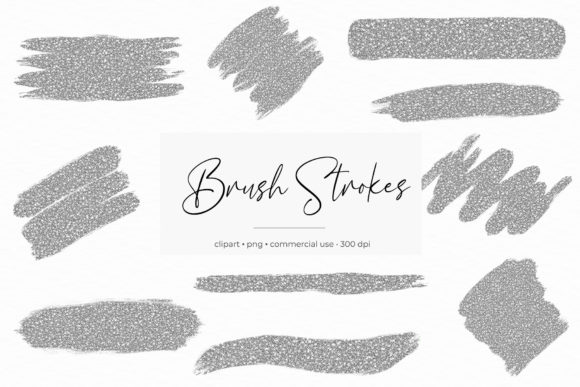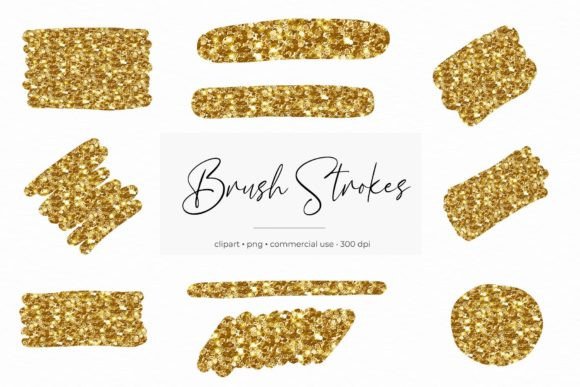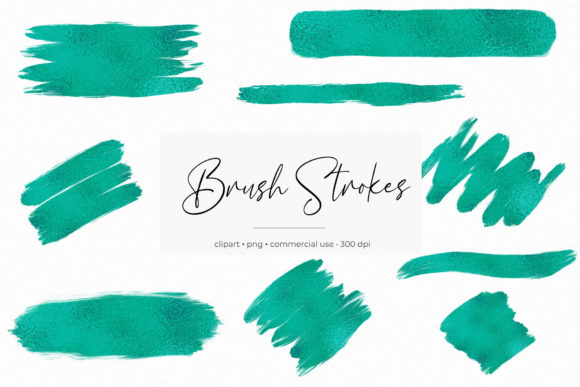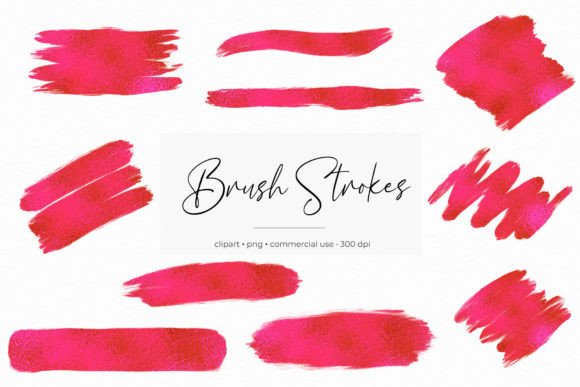
Violet Glitter Brush Strokes Clipart
As a designer who’s stitched over 2,000 custom pieces — from boutique baby onesies to limited-run embroidered aprons for local cafés — I don’t reach for decorative clipart unless it earns its place on fabric. So when Violet Glitter Brush Strokes Clipart landed in my inbox, I didn’t open it for inspiration. I opened it for evaluation: Would this hold up under needle and thread? Would it translate into something customers actually love to wear, gift, or display?
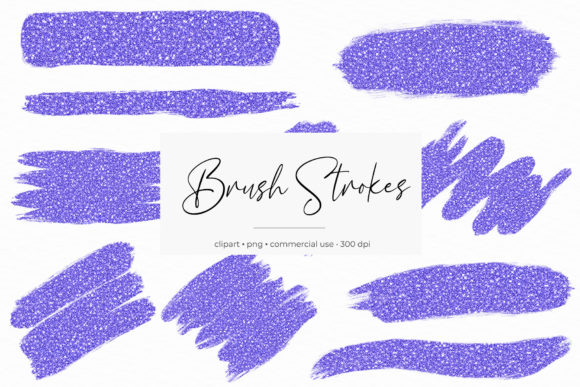
First impression? It’s joyful — but not frivolous. Each of the 10 brush strokes carries that effortless, hand-painted energy: tapered ends, subtle texture, and just enough irregularity to feel human-made. The violet tone leans cool and modern — not lavender, not purple, but a refined violet with quiet sophistication. And yes, “glitter” is in the name — but it’s implied through light-catching highlights, not literal sparkle (this is PNG clipart, not a glitter-effect embroidery file). That distinction matters: this isn’t a ready-to-stitch machine embroidery design. It’s a graphics asset — a starting point, not a finish line.
I tested it in a real scenario: designing a limited-edition embroidered tote bag for a small botanical studio. Their brand voice is calm, intentional, and tactile — think linen, dried florals, soft ink. I placed one Violet Glitter Brush Strokes Clipart element diagonally across the front pocket, scaled to 4.5 inches wide. Then I mocked it up in both black and white thread on natural canvas — and again on deep indigo denim. The result? On light fabric, it read as elegant motion — like a signature swept across the surface. On dark fabric, the violet’s contrast softened, so I swapped to silver metallic thread in the mockup. Instant lift. That flexibility — the ability to reinterpret the shape with thread color and stitch technique — is where Violet Glitter Brush Strokes Clipart shines.
This set belongs in your Decorative Elements toolkit, not your go-to monogram folder. It’s ideal for breaking up solid areas, adding rhythm to borders, or serving as a dynamic accent beside lettering. Think: the flourish beside a baby’s name on a muslin blanket, the upward sweep behind “Est. 2024” on a craft fair apron, or the trailing gesture beneath “Hand Wash Cold” on a kitchen towel. It’s especially effective on structured items — tote bags, pillow covers, tea towels — where the brush stroke’s directionality creates visual flow without competing with function.
But here’s where realism kicks in: Violet Glitter Brush Strokes Clipart doesn’t auto-translate to clean satin stitch. Because it’s a 10x10 inch PNG at 300 dpi, you’ll need to digitize it — or work with a digitizer — to turn it into a true machine embroidery design. That means paying close attention to curves, taper points, and internal negative space. A stroke that looks fluid on screen can become a dense, puffy mess if digitized with too much fill stitch or insufficient underlay. I recommend using it as an applique design base instead — cut the shape from a luxe fabric, then outline with satin stitch. That honors its painterly soul while avoiding stitch-density pitfalls.
Use caution on stretchy or thin fabrics. These strokes have graceful, narrow tips — gorgeous in print, but fragile in thread if hooped tightly on jersey or lightweight cotton lawn. On caps or curved surfaces, simplify first: reduce width by 15–20% and soften the inner curve radius before digitizing. And skip placing any stroke near high-wear seams or hems — those delicate ends won’t survive repeated washing intact without proper stabilizer and thoughtful placement.
For Etsy sellers and small shop products, this clipart adds instant visual polish to digital listings. Drop one into a printable mockup behind a “Personalized Gift” banner — it reads as handmade, even before stitching begins. But remember: PNGs aren’t embroidery files. If you’re selling finished embroidered patch kits or pre-digitized designs, you’ll need to confirm licensing terms. This set is labeled “Sublimation Clipart,” which typically permits commercial use for physical products — but always verify before bundling it into a digital embroidery file pack or reselling as a standalone stitchable asset.
What elevates Violet Glitter Brush Strokes Clipart beyond decoration is how it supports intention. It doesn’t shout. It suggests — movement, care, artistry. When used thoughtfully on a custom sweatshirt for a yoga instructor, it whispers “mindful effort.” On a holiday embroidery project for a children’s boutique, it feels like a gentle, glitter-tinged hug. That emotional resonance builds customer trust and strengthens brand consistency, especially for makers whose value lies in authenticity, not mass production.
Before you stitch, do this:
- Test the shape on scrap fabric using your intended stabilizer — medium tear-away works well for most midweight fabrics
- Check thread color contrast against both light and dark backgrounds — violet-based threads pop on cream; silver or pale gold lifts it on navy
- Review stitch density in your digitized version — aim for balanced fill stitch, not heavy saturation
- Confirm hoop size compatibility — these strokes scale beautifully, but avoid going smaller than 3 inches wide unless simplifying the taper
- Inspect tiny details in black-and-white mockups — what reads as subtle on screen may vanish in thread
- Ask yourself: does this serve the product, or distract from it? On a minimalist baby onesie, one stroke placed just above the hem says more than three clustered near the collar.
In short: Violet Glitter Brush Strokes Clipart isn’t filler. It’s a quiet collaborator — best used by designers who understand that the most memorable handmade product isn’t just stitched well, but composed with purpose. Whether you’re building a craft business, launching a personalized gift line, or refining your commercial embroidery portfolio, treat these strokes like pigment on a palette: choose deliberately, mix intentionally, and let the gesture speak for itself.