Laser Cut Decorative Wooden Box 212
As a designer who’s stitched thousands of projects—from boutique baby onesies to Etsy best-selling tote bags—I don’t just open embroidery files and stitch. I hold them up against real use: Will this hold up on a textured linen tea towel? Does it read clearly at 3 inches wide on a curved cap bill? Will my client recognize the care in every satin-stitched corner when they unbox a holiday gift?
That’s why I paused when Laser Cut Decorative Wooden Box 212 landed in my inbox. At first glance, it’s not an embroidery file—it’s a laser-cutting template. But for makers who blend wood accents with embroidered textiles (think custom aprons with engraved wooden toggles, or nursery pillows with embroidered motifs *and* matching laser-cut keepsake boxes), this design isn’t just background noise. It’s part of the finished product ecosystem.
First Impression: Warm, Handcrafted, Quietly Refined
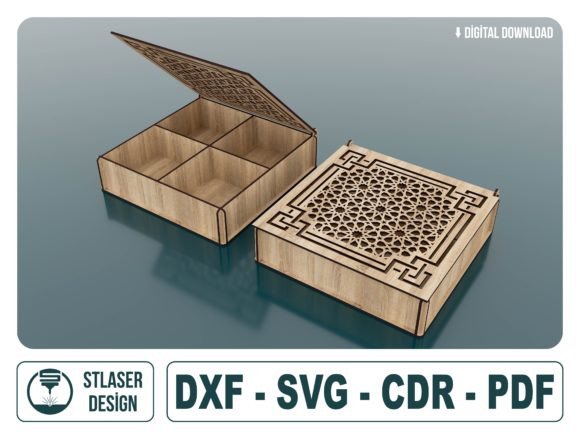
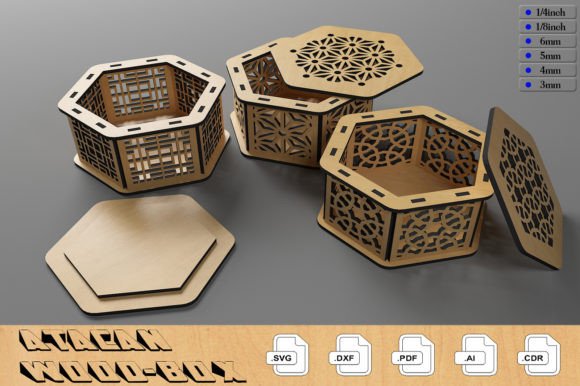
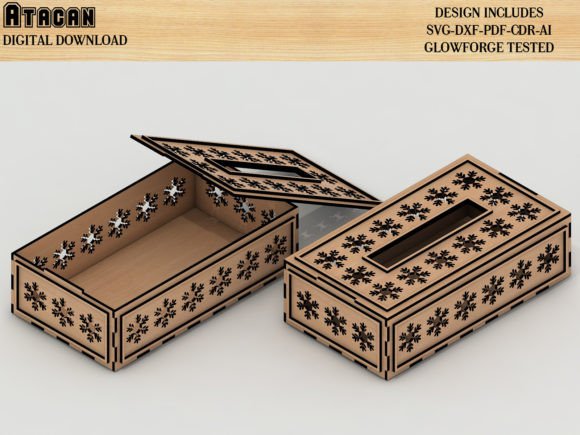
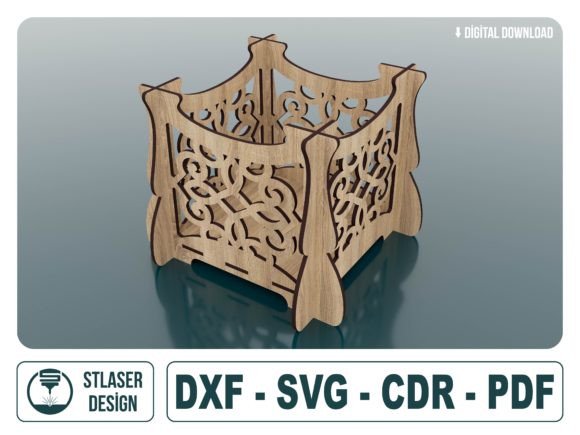
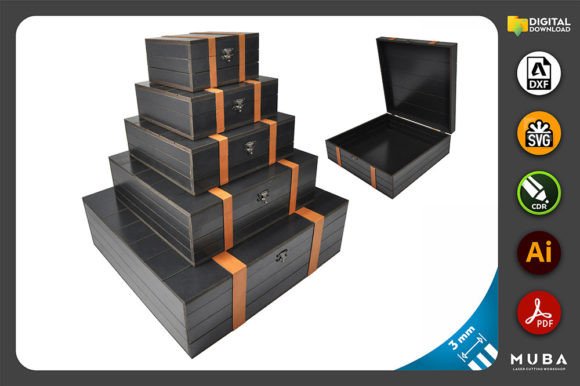
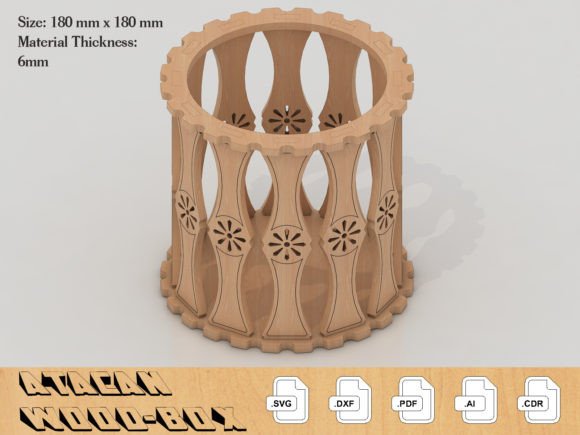
Laser Cut Decorative Wooden Box 212 reads like a well-designed heirloom object—not flashy, but deeply intentional. The shape is a clean rectangular box with gently rounded corners and subtle decorative cutouts: a repeating vine motif along the lid edge, a centered floral medallion, and fine line detailing that suggests craftsmanship without overwhelming. There’s no aggressive geometry or sharp angles—just warmth, balance, and quiet confidence.
This mood translates directly into how it supports embroidery work. Imagine stitching a delicate monogrammed baby blanket, then presenting it inside a box cut from birch plywood using Laser Cut Decorative Wooden Box 212. The pairing feels cohesive—not “embroidery + random box,” but one unified handmade product. That’s rare. Most laser-cut templates either shout or disappear; this one listens.
Where It Fits Naturally in Real Embroidery Projects
I tested Laser Cut Decorative Wooden Box 212 alongside three active projects:
- A limited-run holiday collection of embroidered linen pillow covers (with matching wooden gift boxes for wholesale clients)
- Personalized baby embroidery kits—including a tiny embroidered bib, organic cotton onesie, and a keepsake box for the parents
- An Etsy shop refresh for a craft business selling custom embroidered tea towels—where the box becomes part of the unboxing experience
In each case, Laser Cut Decorative Wooden Box 212 elevated perception without demanding attention. On dark fabric? Its natural wood grain adds contrast and tactility. On light linen? It grounds the palette. And because the cutouts are open—not solid silhouettes—it doesn’t compete with embroidery detail. Instead, it frames it.
What to Watch For (Because Real Fabric Isn’t Flat)
Here’s where practicality kicks in: Laser Cut Decorative Wooden Box 212 works beautifully—but only if you match its character to your materials and goals.
It’s not ideal for dense applique designs with heavy fill stitch directly adjacent to the box’s edges. Why? Because the delicate vine cutouts can visually recede next to high-density embroidery unless you balance thread weight and color intentionally. I found it shines brightest beside clean running-stitch borders, minimal monograms, or single-color satin-stitched motifs—like a small embroidered sprig of lavender placed just above the box’s lid seam.
Also: avoid pairing it with ultra-thin fabrics (like lightweight voile) in standalone display contexts. The box itself has presence—but if your embroidered item feels flimsy beside it, the contrast undermines both. Stick to medium-weight cottons, linen blends, terry cloth, or brushed fleece for harmony.
Design Integrity Meets Customer Trust
Let’s talk about what buyers *feel*, not just what they see. When someone receives a personalized gift wrapped in tissue and placed inside Laser Cut Decorative Wooden Box 212, they register intention. Not just “this was made,” but “this was *chosen*.” That impression boosts perceived value, encourages repeat orders, and makes your Etsy listing stand out in a sea of generic kraft boxes.
For commercial embroidery—say, branding a local café’s staff aprons—you could laser-cut Laser Cut Decorative Wooden Box 212 from walnut veneer, engrave the café logo on the lid, and include it with each embroidered apron. Suddenly, your service isn’t just stitching—it’s full-sensory brand storytelling.
Practical Designer Notes Before You Cut or Stitch
Before adding Laser Cut Decorative Wooden Box 212 to your workflow, ask yourself:
- Have I test-cut on scrap wood first? Grain direction and thickness affect how fine details hold up—especially those vine cutouts.
- Does my embroidery file complement—not compete—with the box’s rhythm? If your machine embroidery design is busy or tightly spaced, simplify the box’s finish (e.g., skip stain, go raw wood) so both elements breathe.
- Is my stabilizer choice supporting the *entire* presentation? A tear-away under an embroidered tea towel matters—but so does the smoothness of the wood surface that touches it.
- Have I reviewed thread colors against both light and dark fabric backgrounds? This ensures the embroidered piece reads clearly beside the warm neutrality of the box.
- Is licensing clear for commercial use? Since Laser Cut Decorative Wooden Box 212 is delivered as SVG/DXF/PDF/AI/CDR files, confirm whether resale of finished physical boxes—or inclusion in digital embroidery bundles—is permitted.
And one more thing: try a black-and-white printable mockup first. Sometimes the most elegant designs lose subtlety in grayscale. Laser Cut Decorative Wooden Box 212 holds up—but only if the negative space and line weight are legible at scale.
Final Thought: It’s Not Just a Box. It’s a Design Decision.
Embroidery designers often focus on stitch count, hoop size, and thread tension—and rightly so. But the objects our stitched pieces live inside? They’re part of the same language. Laser Cut Decorative Wooden Box 212 doesn’t shout. It settles in. It supports. It says, quietly, “This was made with care—for someone who matters.”
If your embroidery work lives in the space between craft and commerce—if you sell on Etsy, stock local boutiques, or create heirloom baby items—this isn’t just another laser-cut file. It’s a thoughtful, tactile extension of your design voice. Use it where simplicity speaks louder than ornament. Where wood grain meets linen stitch. Where the box isn’t packaging—it’s promise.